Effective Approaches to Controlling Roach Infestations


Intro
Roaches are more than just an unwelcome sight in our kitchens and corners; they represent a broader issue, intertwining with both health concerns and ecological balance. This article offers an in-depth look at strategies to control roach infestations, starting from understanding these pests to practical and sustainable solutions. With the right approach, homeowners can reclaim their spaces while considering eco-friendly practices.
Understanding Pests
Definition of Pests
At their core, pests are organisms that are detrimental to human interests. This includes plants, animals, and insects that invade our residences, gardens, and health. Roaches fall into this category by not only contaminating food but also being potential carriers of diseases. Identifying them promptly can make a significant difference between a minor nuisance and a full-blown infestation.
Importance of Pest Identification
Recognizing a pest is half the battle won. For roaches, different species like the American cockroach and German cockroach have distinct behaviors and habitat preferences. Knowing what you’re dealing with is essential for effective management. This understanding allows homeowners to tailor their approaches, whether through baiting methods or specific exclusion tactics, ultimately saving time and resources.
"Identification is crucial; once you know the enemy, you can strategize effectively."
Prevention Techniques
Home and Garden Preventative Measures
Preventing roaches from making themselves at home starts with more than just traps. Here are crucial strategies:
- Seal all cracks and crevices in your home, paying special attention to areas around pipes and electrical lines.
- Keep food stored in airtight containers. Roaches love leftover scraps, so cleaning diligently after meals is vital.
- Maintain a clean garden, as roaches like to hide in plant debris and mulch.
By being proactive in these areas, homeowners can significantly reduce the likelihood of an infestation.
Seasonal Prevention Tips
Different seasons bring varied challenges. For example, as winter approaches, roaches seek warmth inside homes. Here are some seasonal tips:
- In the spring, inspect your home for any leftover winter cracks and seals that need addressing.
- Utilize dehumidifiers in summer, since high humidity attracts these pests. Keeping the space dry and aired out will deter them.
Eco-Friendly Pest Control Solutions
Overview of Sustainable Practices
With an increasing emphasis on environmentally-friendly practices, many homeowners are leaning towards solutions that are both effective and sustainable. These involve using natural ingredients or enhanced non-toxic traps, minimizing the use of harsh chemicals that may harm households or the environment.
Natural Remedies and Their Effectiveness
Several natural remedies have shown effectiveness against roaches:
- Boric acid mixed with sugar is a classic. The sugar lures the roaches, while the boric acid ensures they don't leave unscathed.
- Sprays made from a mixture of water and essential oils like peppermint or tea tree oil can deter roaches naturally, making your home smell pleasant at the same time.
Using these methods can help combat infestations while aligning with sustainable practices.
Useful Resources
For further reading and resources, check out these links:
- Wikipedia on Cockroaches
- Britannica's Overview of Pest Control
- Reddit for Community Tips
- EPA Pesticides (gov)
Through understanding, prevention, and eco-friendly control measures, homeowners can tackle roach infestations effectively. The goal is to achieve not just control, but also a harmonious living environment that respects both our homes and the natural world.
Understanding Roach Behavior
Understanding roach behavior is critical when it comes to effective pest management. Knowing how these creatures operate, where they tend to linger, and what draws them to certain spaces can significantly alter your approach to control and prevention. Awareness of roach habits not only helps in extermination tactics but also in ensuring that infestations do not take hold again. It’s all about getting into the mindset of your unwelcome housemates.
Roach Species Identification
Identifying which roach species is invading your space can make all the difference in management strategy. There are several types of roaches, such as the German cockroach, American cockroach, and Oriental cockroach. Each species has distinct characteristics and habits. For instance, German cockroaches prefer warm, humid environments, often seen scuttling in kitchens and bathrooms, while American cockroaches are more common in basements and sewers. Knowing this can aid in locating nests and potential breeding grounds.
- German Cockroach: Small, tan to dark brown in color with two distinct stripes running down its back. Typically found indoors, especially in food-conscious areas like kitchens.
- American Cockroach: Larger, reddish-brown with a yellowish margin on the thorax. A true outdoorsy type that thrives in warmer climates, but can invade homes as well.
- Oriental Cockroach: Glossy black appearance, favoring cool, damp spaces that make them less common in typical household areas but still a nuisance.
Recognizing these differences can help tailor intervention methods effectively.
Life Cycle and Habits
Roaches have a fascinating life cycle that is equally important for control strategies. From egg to adult, a cockroach is quite adept at surviving in varied conditions. The cockroach egg case, called an ootheca, is a small, dark brown capsule that can hold up to 50 eggs. When conditions are just right, these eggs hatch, leading to a rapid increase in their population.
Key Points in the Life Cycle:
- Egg Stage: Can remain dormant for extended periods, making immediate eradication a challenge.
- Nymph Stage: Young roaches are smaller and can blend in easily, often feeding on organic matter. They go through several molts before reaching adulthood.
- Adult Stage: With a lifespan of around 3 to 6 months, adults are capable of breeding rapidly, continuing the cycle.
Understanding this cycle allows homeowners to anticipate population surges and take action accordingly.
Common Habitats and Breeding Grounds
Roaches tend to thrive in environments that provide warmth, moisture, and food. Common habitats include:
- Kitchens: Crumbs on counters and open food items make it a buffet of sorts for roaches.
- Bathrooms: Moisture from sinks and showers provides an ideal breeding and hiding ground.
- Basements and Crawl Spaces: Usually overlooked, these areas may house roaches seeking cooler temperatures and obscurity.
- Near Garbage Cans: Food waste attracts roaches, and if bins are not properly sealed, it’s a recipe for disaster.


To put it bluntly, if you want to keep roaches at bay, it’s essential to address these hotspots. Performing regular inspections in these areas will assist in early detection and prevention, making maintenance less of a chore and more of a habit.
"An ounce of prevention is worth a pound of cure."
Focusing on roach behavior, habits, and habitats equips you with the knowledge necessary to implement effective strategies to deal with and prevent infestations. By being proactive rather than reactive, you set the stage for a home that’s less inviting to unwelcome pests.
Signs of Infestation
Identifying the signs of a roach infestation is crucial in any pest management strategy. Early detection can be the difference between a small, manageable problem and a full-blown invasion. Understanding these indicators allows homeowners to act swiftly and adopt effective measures before the situation escalates. Additionally, timely recognition helps in minimizing the health risks associated with roaches, many of which can transmit diseases and trigger allergies.
Droppings and Debris
Cockroaches leave behind droppings that resemble small, dark grains of pepper or coffee grounds. These droppings can be found in various places, including cabinets, countertops, and along walls. When doing a routine cleaning, house owners should pay close attention to these areas. The presence of droppings not only signifies roach activity but also indicates the specific locations that may require immediate action.
Some homeowners may not know that the droppings can vary depending on the roach species. For example, German cockroach droppings are cylindrical and slightly smaller than those of the American cockroach, which are larger and more oval-shaped. Observing these different characteristics can help in accurate identification.
Moreover, alongside droppings, you might find shed skins and egg cases, which can further confirm an infestation. These elements are often overlooked but should not be ignored, especially in high-traffic areas. Keeping a keen eye out for such indicators can vastly improve one's chances of eradicating these pests before they take further hold.
Egg Cases Identification
Roach egg cases, also known as oothecae, deserve close attention when evaluating a potential infestation. These cases are oblong and can contain numerous eggs, depending on the species. The German cockroach’s egg case is about the size of a grain of rice, while the American roach case is larger and more robust. Finding these egg cases is an immediate red flag, warning homeowners that it’s high time to take action.
Locating these cases often requires checking in hidden or dark places. Underneath appliances, in wall voids, or tucked away in storage bins are common spots. They may not look like much, but just one egg case can lead to a slew of new roaches, multiplying the problem exponentially.
Consider keeping a flashlight handy for inspections, as roaches generally prefer dimly lit areas. When you find one of these oothecae, it can be wise to contact pest control for an accurate assessment and tailored remedial measures.
Damage to Property
Cockroaches are notorious for damaging property, and their munching habits can cause more than just unpleasant sights. They can gnaw through a variety of materials including paper, cardboard, and even some types of fabric. This property damage can manifest in an array of ways; for example, you may find shredded book pages or gnawed packaging. Even more concerning is the possibility of them feeding on food items and contaminating them.
Also, the presence of roaches can lead to unpleasant odors that linger, further complicating the household environment. Homeowners should be on the lookout for discolored walls or surfaces, as these can indicate lingering moisture and damage caused by roaches that are seeking water sources. As you notice these signs, it’s essential to take swift action to mitigate further damage and address any underlying moisture problems that might attract roaches in the first place.
In brief: Recognizing signs of roach infestation early is key to controlling the situation.
Acting on these signs not only protects your home but also ensures a healthier living environment for everyone involved. Monitoring these indicators lays the groundwork for more extensive intervention strategies, enhancing the overall success of pest control measures.
Immediate Control Techniques
Immediate control techniques are crucial in the battle against roach infestations. When faced with an unsettling presence of these pests, quick and effective measures can mean the difference between a minor annoyance and a full-blown invasion. Understanding these strategies allows homeowners to regain control over their environment, ensuring their homes remain a safe haven from unwanted visitors. The tactics discussed here include physical removal strategies, chemical control methods, and the use of natural repellents, each with its own set of benefits and considerations that cater specifically to the needs of housewives and homeowners alike.
Physical Removal Strategies
The first line of defense in any pest control strategy should always be physical removal. This approach not only offers immediate relief but also provides a satisfactory sense of accomplishment that many homeowners crave when tackling household challenges.
- Vacuuming: One of the most straightforward methods involves using a vacuum cleaner to eliminate visible roaches. Ensure you empty the vacuum bag or canister outside immediately after. This prevents any surviving roaches from crawling back into the home.
- Traps: Sticky traps can be strategically placed in areas where roaches are frequent. These traps catch roaches effectively, allowing for both immediate control and some measure of population monitoring. Different traps may have various attracting agents, so consider what works best for your environment.
- Physical Blockades: Identifying and sealing entry points is part of the physical removal strategy. Doors, windows, and even minor cracks can serve as highways for roaches. Utilize caulk and weather stripping to seal these gaps, ensuring fewer opportunities for entry.
Utilizing these strategies can greatly diminish the presence of roaches, but it's pivotal to remain vigilant and ready to follow up with further measures for long-term success.
Chemical Control Methods
Chemical methods can be effective in delivering a quick knockdown of a roach population, but they should be approached with caution, especially in a household setting with children or pets. Here are a few methods that can help manage roach infestations:
- Insecticides: Commercial insecticides can deliver a fast and effective solution. Products like Raid or Ortho contain specific chemicals designed to eliminate roaches upon contact. When using these, always follow the manufacturer’s instructions and ensure proper ventilation in the area.
- Bait Stations: These are an important part of chemical methods. Bait stations contain an attractant combined with poison. Roaches will ingest the bait and return to their nest, ultimately killing others in the colony. This method is less about immediate eradication and more about managing and controlling the population over several days or weeks.
"To manage roach infestations effectively, it’s vital to consider both immediate actions and long-term strategies. Immediate control can prevent escalation, but sustainable methods will ensure a long-lasting impact."
- Sprays and Foams: These are used for targeted applications in tight spaces where roaches may be hiding. Keep in mind the use of sprays should be limited to areas inaccessible to children and pets due to potential toxicity.
The effectiveness of chemical options makes them appealing; however, meditation on the safety and suitability for your home environment is key.
Natural Repellents
For those inclined towards eco-friendly solutions, natural repellents offer a viable and safer alternative to chemical-based controls. Here are some favored options:
- Diatomaceous Earth: This powdery substance is composed of tiny fossilized aquatic organisms. Sprinkling it in areas where roaches frequent can dehydrate and kill them over time. It's non-toxic and safe for use around children and pets.
- Essential Oils: Oils such as peppermint, tea tree, and eucalyptus can deter roaches. Mixing several drops of essential oil into water to create a spray can be effective in repelling them from particular areas. Be sure to maintain the application regularly for ongoing resistance.
- Homemade Solutions: Some household ingredients can act as deterrents. For example, a mixture of vinegar and water can serve as a cleaning agent as well as a repellent. Not only does it sanitize surfaces, but it also makes the environment less inviting for roaches.
Using natural methods ensures that the control of roaches doesn’t come at the cost of chemical exposure, aligning with sustainable practices appreciated by many homeowners.
By implementing these immediate control techniques, housewives and homeowners can effectively address roach infestations and move towards creating a more pest-free environment. It’s helpful to remember that these measures, while important, should pave the way for long-term prevention strategies to keep roaches at bay in the future.
Long-Term Prevention Methods
Taking charge of roach infestations involves not only immediate solutions but also a steadfast commitment to long-term prevention methods. In the quest for a roach-free environment, addressing the underlying factors that attract these pests is crucial. Establishing a proactive approach ensures that you’re not just reacting to infestations but actively warding them off. A clean living space, tight sealing of entry points, and thoughtful storage practices create a fortress against unwelcome guests.
Sanitation and Cleanliness
Sanitation is the first line of defense. Keeping your home clean minimizes the food and water sources that attract roaches. Regularly sweeping and mopping floors prevents the accumulation of crumbs and spills that could serve as a smorgasbord for these insects. Especially within kitchens, it’s vital to scrub counters, stovetops, and sinks daily, leaving no opportunity for a sneaky roach.
“A clean home is a roach's worst nightmare.”
Additionally, garbage should be secured in airtight bins, and dishes should not languish in the sink. Make a habit of cleaning up food spills immediately, and consider implementing a weekly deep clean routine to ensure nothing slips through the cracks of your household cleaning regime.
Sealing Entry Points
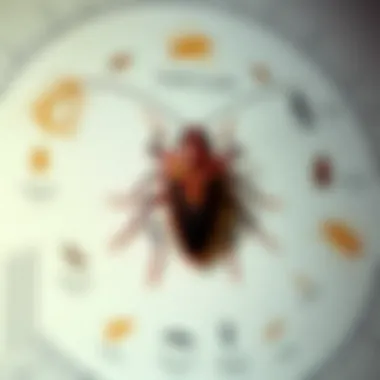
Next on the agenda is sealing entry points. Roaches can jam through the tiniest of cracks. To mitigate this risk, conduct a thorough examination of your home’s foundation, walls, and windows for leaks and holes. Utilization of caulk or expandable foam can be a handy fix to block access. Specifically, pay attention to areas around pipes, electrical wires, and vents where gaps are often found.
- Examine: Foundations, Doors, and Windows
- Seal: Cracks, Gaps, and Holes
- Inspect: Areas around Pipes, Wires, Vents
Remember, prevention is about being consistent. This may seem like a tedious task, but keeping these access points sealed can drastically reduce potential roach encounters.
Decluttering and Storage Solutions
Lastly, decluttering and smart storage practices can go a long way in your battle against roaches. Roaches thrive in disorder and cramped spaces where they can easily hide. Start by decluttering areas like garages, basements, and closets. By reducing the number of items that can trap and harbor these pests, you lessen their colonies' chances of taking hold.
When it comes to storage, using airtight bins for food and other porous items is vital. Not only does this practice keep food fresh, but it also prevents roaches from sniffing out potential meals. Keeping items off the floor and well-organized minimizes opportunities for roaches to create nesting sites within your living space.
- Regularly declutter environments
- Store items in airtight containers
- Maintain organized spaces off the floor
In sum, long-term prevention measures revolve around creating an inhospitable environment for roaches. By maintaining cleanliness, sealing entry ways, and thoughtful organization, you lay the groundwork for a sustainable and effective roach management strategy.
Professional Involvement
When dealing with a roach infestation, many homeowners can find themselves in a maze of overwhelming choices and uncertainties. That's where professional involvement comes into play. Hiring pest control experts means tapping into a well of knowledge and experience, which often translates to more effective results in your home. It’s not just about spraying insecticides; there’s a science to it. Professionals can identify not only the species but also the habits of the roaches, guiding a strategic approach to eliminate them. Plus, they can help to uncover the hidden corners of a house that you might not think to inspect yourself, the places where these pests often thrive.
When to Call an Exterminator
Knowing when to reach out to an exterminator can save you time, money, and hassle. Are you noticing more roaches than usual, or have you tried all the DIY methods yet still find yourself facing the same problem? If roaches are scuttling around like it’s party time in your kitchen, putting off an expert call may not be wise. Here are some telltale signs:
- Persistent sightings: If you’ve spotted multiple roaches in various areas over a few days, it's time to call in the cavalry.
- Increased droppings: When you find larger quantities of droppings than normal, don’t dismiss it as just a nuisance. This indicates a breeding population.
- Unusual odors: A strong, musty smell can indicate a significant infestation.
In such scenarios, do-it-yourself remedies can quickly turn futile, exhausting your resources without solving the problem. Therefore, a swift call to a pest control professional can often alter the outcome decisively.
Choosing the Right Pest Control Service
When the decision is made to hire a professional, choosing the right pest control service is critical. Not all pest control companies are created equal, and doing your homework can point you in the right direction. Here are essential elements to consider:
- Experience and certifications: Look for a service that is licensed and preferably has several years of experience. A company with a proven track record is typically more reliable.
- Methods and chemicals used: Ensure they employ safe treatment methods, especially if you have children or pets in the home. Transparency about the processes and products used is important.
- Customer reviews: Online testimonials or reviews provide insight into their service and effectiveness. Checking platforms like Yelp or Google Business can provide a clearer picture.
Taking the time to choose the right service may seem tedious, but it can pay off with a more thorough job and a pest-free environment for your family.
Evaluating Treatment Effectiveness
Once a pest control service has come in and performed its magic, the job isn’t quite finished just yet. Evaluating the effectiveness of the treatment is crucial. Here’s what to keep an eye out for:
- Follow-up inspections: Confirm whether the pest control service includes follow-up checks. Regular assessments can ensure that the problem doesn’t reoccur.
- Changes in sightings: Note any significant decrease in roach numbers. Occasional sightings may still occur, but the goal should be a substantial reduction.
- Second treatments: If after some time roaches come back knocking, don’t hesitate to reach out to the service again. They might need to reassess and use alternative methods.
In summary, professional involvement in the management of roach infestations is not just a safety net; it’s often the difference between ongoing frustration and lasting resolution. Making informed choices about when to call, which service to choose, and how to evaluate the treatment can empower homeowners, turning what often feels like a losing battle into a manageable problem.
Eco-Friendly Alternatives
As concern for the environment grows, it becomes increasingly important to consider eco-friendly alternatives when managing roach infestations. Utilizing methods that are gentle on the ecosystem not only benefits the planet but can also be more sustainable in the long run. Homeowners seeking to control roach populations are often looking for effective solutions that won’t introduce harmful chemicals into their living spaces or the environment around them.
Botanical Insecticides
Botanical insecticides, derived from plants, serve as a conscientious choice for pest control. Many of these substances are designed to target specific pests, reducing harm to beneficial insects. For instance, neem oil is known to disrupt the life cycle of roaches, making it harder for them to reproduce. It works by interfering with their hormone systems, causing them to die before reaching maturity.
In addition to neem oil, pyrethrin—extracted from chrysanthemum flowers—is another option. It acts quickly on roaches, paralyzing them upon contact. Using botanical insecticides allows homeowners to manage infestations while being mindful of their impact on the environment.
"Eco-conscious pest control means we can tackle infestations without sacrificing our values or the planet."
Homemade Traps and Remedies
There’s a certain creativity found in developing homemade traps and remedies that can effectively combat roach infestations. Often, these methods utilize common household ingredients that are safe and readily available. A popular choice is using a simple mixture of baking soda and sugar. The sugar lures the roaches, while the baking soda, when ingested, proves lethal to them.
Another straightforward homemade remedy includes using soap and water. Mixing a few tablespoons of liquid soap with water in a spray bottle creates a solution that can suffocate roaches on contact. These remedies are a practical way for homeowners to exercise control without the burden of chemical exposure.
Sustainable Pest Management Practices
Sustainable pest management encompasses a holistic approach to controlling pests like roaches. This means considering the entire ecosystem, focusing on prevention, and minimizing impact. Homeowners can adopt a variety of practices, such as denouncing the use of toxic chemicals and working instead with nature to create an unfavorable environment for pests.
Here are some strategies:
- Encourage Natural Predators: Introducing beneficial insects can keep roach populations in check naturally. Ladybugs and spiders are excellent for controlling small pest populations.
- Implement Integrated Pest Management (IPM): This approach combines biological, cultural, physical, and chemical tools in a way that minimizes economic, health, and environmental risks.
- Regular Monitoring: Keeping an eye on potential roach hotspots through regular inspections allows for early intervention, preventing infestations from taking root.
This shift towards more thoughtful pest control reflects growing awareness about the necessity of balancing human needs with environmental protection.
Educating the Community
Educating the community about roach infestations is a cornerstone of managing pest control effectively. It goes beyond just spraying insecticide or setting traps; it's about fostering a deeper understanding of the factors contributing to infestations and preparing individuals to take proactive steps in their own homes. By equipping people with knowledge, we create a more informed society that can recognize the signs of infestations early and act swiftly to mitigate them. This knowledge not only supports individual efforts but also strengthens the community’s resilience against pests on a larger scale.
Workshops and Resources
Organizing workshops and distributing resources can greatly enhance awareness. Such initiatives can cover a range of topics, including identifying roach species, understanding their behavior, and practical cleanup measures. This instruction can empower homeowners to become vigilant about sanitary practices in their kitchens and basements where roaches tend to breed.
Consider providing pamphlets or online resources that detail methods for effective home inspections and sanitation. Items like checklists of potential entry points and localized infestation signs can be particularly useful for individuals looking to prevent issues before they spiral out of control.


Resources such as American Pest Control offer helpful materials and tools that can aid in educating communities on this issue. Your local government or university extension office might also have programs or documents available that delve into pest management best practices.
Sharing Best Practices
When people share their experiences with roach control, it can create a wealth of knowledge that benefits others. Forums, both online and in community discussions, provide platforms for sharing success stories and challenges. Someone who found success with a homemade bait formula can offer insights that might save others a boatload of time and money.
In a community newsletter, you could feature a “tips and tricks” section focusing on innovative approaches to pest control. Perhaps a housewife shares how she turned an empty soda bottle into an effective roach trap, or someone discusses the herbs that deter these pests naturally. This communal knowledge base not only fortifies the fight against infestations but also fosters a community spirit.
Promoting Awareness of Pest Roles
Roaches are often viewed solely as nuisances, but it's important to recognize their role within the ecosystem. By promoting awareness of the critical part they play in the food chain and their contribution to nutrient decomposition, we can foster a more balanced perspective about these creatures. Educating the community in this way can help temper fear and encourage more nuanced conversations about coexistence.
A local educational campaign could include presentations or informational seminars focusing on ecology. Sessions could help clarify that while roaches are pests in our homes, understanding their natural behaviors allows for a more informed approach to managing their presence.
"Understanding pests is key to developing effective control methods; it's not just about extermination, but about balance."
This layered understanding not only empowers individuals but can also motivate them to adopt more sustainable pest management practices. Creating such awareness could lead to reduced panic and a greater willingness to engage with community solutions for infestation woes.
Case Studies and Success Stories
The significance of understanding case studies and success stories in combating roach infestations cannot be overstated. They provide not only evidence of effective methods but also inspire confidence among homeowners and pest control professionals alike. By analyzing real-life examples, we can glean insights on what techniques work best, the challenges encountered, and how to adapt strategies for different situations. This section sheds light on tangible results, reinforcing the notion that strategic pest management can yield fruitful outcomes.
Residential Infestation Management
When dealing with roach infestations in residential settings, it’s illuminating to examine specific case studies that highlight effective management strategies. One notable example comes from a suburban family in a densely populated neighborhood. They discovered signs of roaches amid renovations, prompting immediate action.
First, they implemented rigorous sanitation practices—keeping their kitchen spotless and sealing all food containers. Next, they enlisted the help of a pest control expert who tailored a plan involving both chemical and non-chemical approaches. The family also shared their experience at a local community workshop, emphasizing that a robust, proactive approach to sanitation is crucial.
Through relentless attention to cleanliness and targeted treatments, they managed to eliminate the infestation within weeks.
- Key Takeaways:
- Regular cleaning and sealing food sources are fundamental.
- Early detection and action are crucial in effectively managing infestations.
This case illustrates that homeowners can contibute significantly to their pest control efforts through vigilance and collaboration with professionals.
Commercial Property Treatments
Commercial spaces present unique challenges when managing roach infestations. In a successful intervention at a bustling restaurant, the management team faced a severe roach issue that threatened their reputation. They approached the problem through a comprehensive strategy that combined immediate remediation with ongoing preventative measures.
The restaurant closed for a few days while pest control applied specialized treatments. They also engaged their staff in an awareness program about cleanliness and reporting any pest sightings. For continual management, they established a routine inspection and maintenance schedule with pest professionals. This ongoing partnership kept the issue at bay, emphasizing the importance of both immediate action and long-term strategies in commercial settings.
- Key Takeaways:
- Immediate treatment is essential for public spaces.
- Team education fosters a proactive pest monitoring culture.
The restaurant not only resolved their infestation but also set a standard for operational practices that ensured ongoing cleanliness and pest awareness.
Innovations in Pest Control Technology
Technological advancements hold promising potential in the fight against roach infestations. A recent case exemplifies this trend through the use of smart traps integrated with IoT capabilities. A pest control company in an urban area began testing these devices, equipped with sensors that alert specialists to pest activity in real-time.
In their pilot program, these smart traps minimized the use of harmful chemicals while allowing for targeted responses to infestations. The ability to gather data helped technicians to analyze trends and make informed decisions moving forward.
Such innovations not only enhance the effectiveness of pest control measures but also align with eco-friendly practices. This case showcases a shift toward more sustainable and data-driven approaches to pest management:
"In today’s world, staying ahead of the pest curve means leveraging technology for intelligent solutions."
- Key Takeaways:
- Smart technology can offer real-time solutions and insights.
- Reducing chemical usage contributes to a healthier environment.
The exploration of these cutting-edge techniques reaffirms the potential for innovation to play a pivotal role in effective roach control strategies.
The End: The Path Forward
In addressing roach infestations, the conclusion serves not just as a summary but as a vital cornerstone for future actions. It’s crucial to synthesize the various strategies explored in this article, emphasizing a multidimensional approach to pest management that prioritizes both immediate control and long-lasting prevention.
Integrating Pest Management Strategies
Effective roach control is not a one-size-fits-all solution. Integrating diverse pest management strategies allows homeowners to adapt based on the unique challenges posed by their environment. This might mean using a combination of physical traps, biological controls, and household sanitation methods. By blending these approaches, you can significantly increase the odds of long-term success.
- Assessment and Monitoring: Regularly check for signs of roach activity in and around your home. This proactive monitoring can inform your strategies and refine your approach.
- Combination Techniques: For example, employing both traps for immediate removal and sealing entry points to prevent future infestations allows you to tackle the problem from multiple angles.
- Community Engagement: Sharing knowledge with neighbors can foster a collaborative effort in roach control, leading to community-wide improvements in pest management practices.
Encouraging Responsible Practices
Pest management goes beyond personal responsibility; it has implications on community and environmental health. Encouraging responsible practices not only aids in removing pests but also does so in a way that minimizes environmental impact.
- Non-Toxic Methods: Whenever possible, utilize eco-friendly and less toxic methods for pest control to safeguard your family, pets, and local wildlife. This may involve natural deterrents or organic treatments that reduce chemical exposure.
- Education and Awareness: Promote awareness regarding the ecological roles of pests, including roaches. Understanding their function can help neighbors to manage them more responsibly rather than resorting to extermination alone.
- Sustainability Practices: Develop a habit of maintaining cleanliness and order within your home, which in turn fosters an environment less conducive to pest infestations.
Continuing Education and Research
The world of pest control is ever-evolving, and staying abreast of the latest research and technologies is essential. Continuous education on roach behavior, emerging control methods, and environmental impacts can empower homeowners to make informed decisions.
- Stay Informed: Follow reputable sources online such as Wikipedia, Britannica, and authoritative government sites to learn about new developments in pest control.
- Community Workshops: Organizing or attending workshops on pest management can provide beneficial knowledge exchange among neighbors, ensuring broader community preparedness against infestations.
- Research Contributions: As science continues to evolve, contribute to or support research on sustainable pest management strategies that can be shared within local communities and beyond.
"A stitch in time saves nine" - by taking timely actions and building robust strategies, homeowners can effectively minimize roach problems before they escalate.
In summary, the path forward in managing roach infestations lies in our hands. Through integration of diverse strategies, promoting responsible practices, and committing to ongoing education, we can collectively navigate the complexities of pest management more effectively. The power of informed action is undeniable, and it’s time to harness it.