Effective Strategies for Trapping Woodpeckers
Intro
Woodpeckers can dance between annoyance and charm, but they can also cause significant damage to homes and gardens. The rhythmic tapping they make might be music to some, while others see it as a ticket to serious structural issues. In this guide, we’ll dissect the crafty ways of trapping woodpeckers, providing you with insights necessary for effective management while ensuring you keep things humane.
From understanding pest behaviors to implementing eco-friendly strategies, every step plays a crucial role. Armed with this comprehensive guide, homeowners will navigate the complexities of dealing with woodpeckers with confidence and ease.
Understanding Pests
Definition of Pests
In simple terms, pests are organisms that interfere with human activities, often causing disruption or damage. Woodpeckers, specifically, fall into this category when their pecking turns from a mere ecological act into a nuisance.
These birds, although beneficial in controlling insect populations, sometimes target painted surfaces, wooden structures, or even trees, impacting the beauty and integrity of your home environment.
Importance of Pest Identification
Identifying woodpeckers in the context of pests is pivotal. Each woodpecker species exhibits distinct behaviors, habits, and preferences. For example, the Downy Woodpecker may munch on insects in your garden, while the Pileated Woodpecker causes more significant damage to trees. Understanding which species you are dealing with helps tailor your approach towards trapping and controlling them effectively, allowing for a more targeted strategy. Proper identification also ensures you’re abiding by local laws regarding wildlife management, an often overlooked aspect when tackling these birds.
Prevention Techniques
Home and Garden Preventative Measures
Preventing woodpecker intrusion involves a mix of physical barriers and behavioral modifications. Here are some practical steps:
- Install Hardware Cloth or Netting: Using strong mesh around wooden areas can discourage pecking.
- Reflective Surfaces: Hanging reflective materials, such as CDs or tinfoil, can disrupt their sight lines and deter them.
- Noise Makers: Wind chimes or motion-activated devices can provide noise disturbances that encourage woodpeckers to stay away.
Seasonal Prevention Tips
Adjusting tactics with the changing seasons can be particularly effective. For example,
- Late Spring to Early Summer: Woodpeckers are particularly active during nesting. This is a key time to fortify areas of your property where they are being spotted.
- Fall Preparation: Inspect your home for any repairs before winter. Closing gaps and filling holes prevents woodpeckers from seeking shelter.
Eco-Friendly Pest Control Solutions
Overview of Sustainable Practices
The importance of eco-friendly pest control cannot be overstated. Approaches involving environmental consideration are beneficial for the overall ecosystem. For woodpeckers, emphasizing humane trapping methods means one could avoid employing dangerous chemicals that harm their food sources and other wildlife.
Natural Remedies and Their Effectiveness
Sometimes, simple household items can work wonders. For instance, mixing water with a few drops of dish soap and spraying it where woodpeckers frequent can deter them without causing harm. Some homeowners have also found that vinegar’s pungency keeps these birds at bay. Natural repellents like bird spices can deter woodpecker activity effectively while being safe for the environment.
"Embracing nature's ways often leads to solutions that create harmony between humans and wildlife."
In summary, managing woodpecker issues requires a thoughtful blend of understanding, prevention, and humane practices. By following this comprehensive guide, homeowners can resolve woodpecker problems effectively and sustainably, creating a peaceful and attractive living environment.
Preamble to Woodpeckers
Understanding woodpeckers is not just an avian curiosity; it's a necessity for those dealing with these industrious birds. Householders often find themselves at odds with woodpeckers, which can inadvertently cause damage to homes, such as hammering on siding or creating holes in trees. Grasping their behavior and motivations lays the groundwork for effectively addressing any issues they may present.
Understanding Woodpecker Behavior
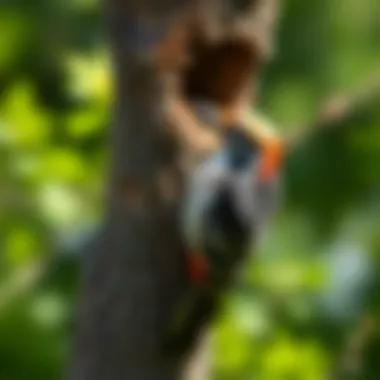
Woodpeckers are relentless creatures, driven by instinct and the quest for food. Their rhythmic drumming, often heard echoing through the woods or in suburban backyards, serves multiple purposes: communication, mating calls, and, most importantly, locating their next meal. While many might perceive these birds as nuisances, understanding the psychology behind their actions can illuminate why they choose specific targets. For instance, woodpeckers often tap on surfaces to uncover insects hidden beneath the bark. Additionally, their need for nesting sites compels them to drill, especially in softer wood, making them particularly active in spring and summer. Grasping this behavior can initiate a more humane approach to dealing with them.
Common Types of Woodpeckers
While there are numerous species of woodpeckers, three stand out due to their prevalence and recognizability: the Downy Woodpecker, Hairy Woodpecker, and Red-bellied Woodpecker. Each of these species plays a unique role in its ecosystem and exhibits specific traits that homeowners may find relevant in understanding their presence.
Downy Woodpecker
The Downy Woodpecker is characterized by its smaller stature compared to other woodpecker species. Encounters with them are common in both urban gardens and woodlands, making them a relatable aspect of woodpecker interactions. One key aspect of the Downy Woodpecker is its preference for feeding on insects, particularly aphids and caterpillars, as well as the suet from feeders. This species is considered beneficial for homeowners, providing natural pest control, which can help maintain a healthier environment. An eye-catching feature is the male's distinct red patch on its head, adding a touch of color. However, one disadvantage is that their irresistible tapping can lead to structural damage if left unchecked.
Hairy Woodpecker
Larger than its Downy cousin, the Hairy Woodpecker is also an important pest control ally. Its impact on gardens and woodlots makes it a prominent figure in discussions about woodpecker control. Uniquely, it can be distinguished from the Downy Woodpecker by its larger size and longer bill that's more suited for penetrating tougher woods. Homeowners may find the Hairy Woodpecker a suitable subject of study as they are less common at backyard feeders compared to the Downy; however, they also play a crucial role in controlling beetle populations that often damage trees. The challenge, of course, lies in balancing the benefits against their potential to chip away at wooden structures.
Red-bellied Woodpecker
The Red-bellied Woodpecker bears a striking appearance with its black and white barring and the signature reddish hue on its belly, making it hard to miss. Generally, they are found in mature woodlands but have begun to venture into suburban areas with abundant trees. Their diet primarily consists of fruits, nuts, and insects, which often attracts them to bird feeders. This adaptive quality makes the Red-bellied Woodpecker a popular species among birdwatchers. However, they can also engage in feeding behaviors that lead to damage on trees or wooden homes if their presence is not managed wisely.
Understanding these species and their behaviors is a foundational step to devising effective and humane strategies that cater to both the needs of the woodpeckers and the concerns of homeowners.
Reasons for Woodpecker Intrusion
Understanding why woodpeckers intrude on properties is essential, especially for homeowners looking to manage these birds effectively. Woodpeckers, with their distinctive drumming and pecking behavior, often attract attention, yet their presence can lead to considerable damage to trees and buildings. Knowing the reasons behind their intrusion can help in devising appropriate strategies for trapping and deterrence, ensuring a balance between coexistence and protection of one's home.
Seeking Food Sources
Woodpeckers are primarily drawn to areas where food is plentiful. Their diet consists of insects, particularly those found under the bark of trees, as well as nuts and seeds. In an environment where these food sources become scarce, woodpeckers may venture further into urban areas and residential neighborhoods.
When trees suffer from pests like the bark beetle, the appeal of the decaying wood can be irresistible. Homeowners may notice woodpeckers drilling into siding or eaves not out of mere curiosity, but rather in search of a meal.
- Be mindful of tree health: Regularly inspect trees in your yard for signs of infestation. Poorly maintained trees that attract these birds can lead to significant damage.
- Utilizing proper maintenance practices can limit the insects that woodpeckers love. Treatments like trunk injections or insecticides might be warranted for infected trees.
Nesting Behaviors
Nesting is another pivotal reason why woodpeckers may choose to invade personal spaces. They typically create their nesting holes by excavating trees, but if suitable trees are limited, they will settle for alternative sites. This behavior can result in the creation of holes in not only trees but also wooden structures that provide a safe environment for raising their young.
Key points to consider include:
- Availability of nesting sites: If your property features old, dead, or dying trees, it will become a likely target for nesting woodpeckers.
- Offering alternative sites: Installing nesting boxes tailored for woodpeckers may prevent them from choosing your home as a nesting ground.
Territorial Displays
Aggressive behaviors are often exhibited during mating season, as male woodpeckers establish their territory. Their distinctive drumming serves as both a claim to territory and a courtship display aimed at attracting a mate. During this period, they may drum against walls, fences, or trees, often choosing areas that resonate loudest, causing frustration for residents due to the incessant noise.
To mitigate these territorial conflicts:
- Understand the timing: Knowing when nesting seasons occur can aid in proactive steps to deter woodpeckers before they establish territory near your property.
- Implement noise deterrents: Hanging shiny materials, such as aluminum foil strips, around affected areas can serve as a deterrent, disrupting their drumming activities.
Ultimately, recognizing the motivations behind woodpecker intrusion allows homeowners not only to manage the situation effectively but also to consider eco-friendly measures that respect these fascinating birds.
In summary, food sources, nesting behaviors, and territorial displays all play a critical role in woodpecker intrusion. Adequate understanding of these factors enables homeowners to take informed actions that can lead to successful trapping and control of these birds, preserving both their homes and the natural behaviors of woodpeckers.
Legal and Ethical Considerations
When dealing with woodpecker issues, it’s vital to consider the legal and ethical aspects of trapping. Understanding these elements ensures that homeowners and pest control practitioners operate within the law while also respecting wildlife welfare. Many individuals might feel overwhelmed at first, but keeping a clear mind about these matters helps foster responsible practices. Oftentimes, a small investment in research pays dividends in the long run.
Know that woodpeckers, whether they’re causing nuisance in your garden or pecking away at your home, are protected by various regulations depending on your location. By becoming educated on these rules, you can engage in more effective conflict resolution. This not only harmonizes your approach but also promotes sustainable practices that benefit both people and animals alike.
Local Regulations on Trapping
Before embarking on any trapping endeavor, it is essential to check local regulations on woodpecker trapping. Laws can vary widely between states or even municipalities, so what might be acceptable in one area could be prohibited in another. Understanding these regulations clarifies what methods are permissible and helps avoid potential fines or legal action.
In some regions, specific species of woodpeckers may be fully protected under local wildlife laws. For instance, the Northern Flicker or Red-headed Woodpecker may have special protections that you need to be aware of. It might help to check resources like your state's wildlife agency website or consult local ordinances.
For example:
- Federal Protection: Migratory Bird Treaty Act prohibits capturing migratory birds across the U.S., which includes many woodpecker species. You would not want to run afoul of federal law.
- State Regulations: Some states have additional guidelines on trapping methods and the sale of trapping devices. This can include required permits or specific types of allowable traps.
By staying informed regarding local regulations, you will uphold responsible ownership and set a positive example in your community.
Humane Trapping Methods
Humane trapping methods are not just about the technicalities of trapping; they embody the moral responsibility we have as stewards of the environment. Choosing humane approaches showcases a commitment to ethical wildlife management while minimizing stress for the trapped animal. Nobody wants to harm creatures that coexist in our ecosystem.
A few widely accepted humane practices include:
- Live Traps: Use traps designed to capture woodpeckers alive without injury. Ensure these traps are inspected frequently to minimize the time spent inside.
- Strategic Placement: Position traps in areas where woodpecker activity is most prevalent, but avoid the nesting sites. This helps protect them while still addressing the nuisance.
- Bait Carefully: Using appealing bait, like peanut butter or various seeds, can lure woodpeckers into the trap without harm. Make sure the bait is fresh and maintain its allure.
- Release Protocol: Once captured, release the bird in appropriate habitat far from residential areas or conflict zones, ensuring it has a chance to thrive in its new environment.
"Using humane methods preserves the integrity of local ecosystems while deterring nuisance behavior."
With humane trapping, you contribute to the broader vision of protecting wildlife while also securing your environment. It is about striking a balance that honors the natural world, recognizing that woodpeckers play an important role in pest control and maintaining healthy trees. By considering humane practices, not only are you alleviating your woodpecker problem, but you’re also fostering a sense of compassion for the wildlife that shares our world.
Preparation for Trapping
Preparation is a crucial step in the woodpecker trapping process. This phase lays the groundwork for success, ensuring that the methods employed throughout the endeavor are effective and aligned with best practices. Knowing what to expect and how to address woodpecker behavior can make all the difference. It involves selecting appropriate tools, understanding where to place traps, and mastering bait strategies. When homeowners dive into the preparation stage, they arm themselves with knowledge. It's much like going into battle; without the right armor and weaponry, the chances of victory diminish greatly.
Selecting the Right Tools
Traps vs. Deterrents
The distinction between traps and deterrents is pivotal in this guide. Traps provide a straightforward approach to capture woodpeckers when they invade your personal space, while deterrents are more about keeping them at bay. Traps, especially humane ones, can effectively solve immediate problems, offering a direct solution to the woodpecker conundrum. On the flip side, deterrents, such as reflective surfaces or sound devices, work to dissuade birds from coming back at all. This choice can be beneficial as it addresses the root cause rather than a symptom. Each method has its place; traps provide instant relief, while deterrents offer long-term peace.
Recommended Materials
When it comes to materials, choosing the right ones can significantly affect how well traps work. For instance, a good-quality humane trap can effectively handle the job without harming the woodpecker. Materials like sturdy metal for traps ensure durability. Furthermore, some traps are designed using materials that blend in with the surroundings, which can be a clever way to capture these birds without alarming them. Choosing lightweight materials for creating distractions—be it shiny objects or wind chimes—can also be beneficial. Each choice here reflects the unique needs of the environment and the particular woodpecker species being targeted, making careful selection vital.
Setting Up the Trap Location
Identifying Woodpecker Habitats
Recognizing where woodpeckers thrive is essential for effective trapping. These birds typically favor areas with ample trees and wooden structures, where they search for insects or potential nesting sites. By pinpointing these habitats in your vicinity, you can strategize where to position traps effectively. Noticing the telltale signs, like holes in trees or drumming sounds, can be beneficial too. Identifying such patterns increases the likelihood of a successful trapping since it places traps right where the action is. Ultimately, understanding the local environment makes a world of difference.
Optimal Placement of Traps
Once the habitats are identified, the next step is placing traps in strategic locations. Traps should be installed at various heights and proximities to attract woodpeckers effectively. Positioning them near their feeding zones or nesting areas, but also away from excessive human traffic, proves advantageous. This delicate balance between accessibility and security can make all the difference. For example, if placed too close to busy areas, the traps could go unnoticed or be tampered with. Therefore, understanding placement nuances is fundamental—it's about finding that sweet spot where woodpeckers roam freely while still ensuring safety for the trap itself.
Effective Baiting Strategies
Baiting is crucial when it comes to trapping woodpeckers. Without the right bait, your traps might sit empty, drawing no interest from the birds at all. The goal here is to attract these birds using something they naturally seek out. Knowing what makes an effective bait can make all the difference in managing woodpecker issues. The right strategies can help in effectively luring them, making it easier to manage their presence around your home.
Types of Baits to Use
Nuts and Seeds
Nuts and seeds are often regarded as a top-notch option for trapping woodpeckers. These birds have a natural instinct for hard food sources, making items like peanuts, sunflower seeds, and others appealing. Their high-fat content provides essential energy that woodpeckers need, especially during colder months.
Another great characteristic of nuts and seeds is their availability; they’re easy to find and can be purchased in bulk. However, one should consider that not all nuts are suitable. Salted or roasted varieties should be avoided as they may harm the birds. This makes using plain, unsalted versions a beneficial choice—a simple yet effective option.
Fruits and Sugars
Fruits and sugars present another attractive bait option for woodpeckers. These birds are not only interested in nuts; they also enjoy soft fruits like apples, berries, or even orange slices. This sweet element can draw the keen-eyed birds from a distance. Using fruits can be especially advantageous during breeding seasons when woodpeckers are likely looking for energy-rich food.
However, there are a few drawbacks to consider. For instance, berries can spoil easily, attracting unwanted pests rather than the birds you want to catch. Careful selection and timely use are essential to make fruits effective baits. In some areas, they might be a preferred choice over traditional nuts, catering to woodpeckers who have a more varied diet.
Baiting Techniques
Timing for Baiting
Understanding the right timing for baiting can significantly increase your success rate. Woodpeckers are generally more active in the early morning or late afternoon. Setting your traps during these peak hours ensures that when the birds are scouting for food, your bait will be at the forefront of their attention.
Moreover, considering seasonal changes is important too. During spring and summer, these birds have different food requirements compared to the fall and winter. This means you must adjust your baiting schedule according to the season, timing it right to attract woodpeckers at their most active periods.
How to Apply Baits
Knowing how to apply baits effectively is just as essential as selecting the right type. Simply scattering seeds or setting a fruit slice on a trap won't cut it. Instead, try placing the bait in a way that mimics natural feeding grounds. For example, you can use a bit of peanut butter on a surface that woodpeckers find familiar, like tree trunks or wooden posts.
It’s also recommended to use small quantities at a time. Overloading can deter birds as it might feel unnatural. The trick is to make your bait subtle yet enticing so that woodpeckers approach with curiosity rather than caution. This can help ensure that your bait does not become a source of aversion, aiding in a more successful trapping experience.
"Proper use of baits can turn an average trapping attempt into a successful one, so consider every detail seriously."
In summary, effective baiting strategies hinge on the right selection, timing, and technique. By understanding what attracts woodpeckers and how best to implement bait, homeowners can enhance their chances of successful trapping while ensuring humane practices.
Monitoring Your Traps
Monitoring your traps is a fundamental aspect of humane woodpecker trapping. This process not only ensures your traps are effective but also plays a crucial role in abiding by ethical standards during your trapping efforts. When traps are left unattended for long periods, several complications can arise. Regular monitoring helps you swiftly identify any captured woodpecker, thus minimizing stress to the bird and maintaining a humane disposition throughout the procedure.
Regular Check-ups
Performing regular check-ups on your traps is vital. This means visiting your trap sites often to see if they are functioning correctly and if any woodpeckers have been caught. One might consider checking the traps at least once a day. By doing so, you can promptly address any problems arising in the trapping system, such as weather impacts or potential escape routes.
Here are some points to consider during your checks:
- Trap Position and Functionality: Ensure traps are still placed optimally. Sometimes, the local wildlife or changing environmental conditions can shift them from their prime getting spots.
- Bait Consistency: Check if the bait is still fresh and enticing. Hot temperatures or rain could affect the conditions of your bait. Try to replace it every couple of days.
- Condition of the Trap: Assess whether the traps are intact and free from debris or damage. Sometimes, branches or other objects may obstruct their working mechanics.
Adhering to these practices improves your chances of trapping woodpeckers while keeping the birds and your environment safe. It demonstrates a commitment to responsible wildlife management, fostering a harmonious relationship between nature and homeowners.
Signs of Successful Trapping
After conducting regular check-ups, the next step is being able to spot the signs of successful trapping. Recognizing these indicators is key to understanding the efficiency of your methods and can inform any necessary adjustments. Here are some signs to look for:
- Captured Woodpeckers: The most obvious sign, of course, is the presence of a woodpecker in the trap. Ensure you’re familiar with the species you’re handling to avoid mishaps with non-target birds.
- Bait Usage: A lack of bait often indicates interest, even if no birds have been caught yet. Empty bait containers or missing bait indicate that woodpeckers are engaging with the trap.
- Wear and Tear: Look for signs of physical interaction around the traps, such as scratches or marks on the surrounding foliage where birds might have landed or expressed curiosity.
Identifying the signs of trapping success early can lead to improved strategies and higher success rates.
Being attentive in these aspects creates a more effective trapping regimen that is also respectful of wildlife. For those tackling woodpecker challenges, continuous learning and monitoring can be the difference between frustration and success.
Alternative Deterrent Methods
When it comes to handling woodpecker intrusions, many homeowners seek ways to manage these delightful yet disruptive birds without resorting to trapping. Alternative deterrent methods offer practical solutions that are both humane and effective. Utilizing visual and sound deterrents can help keep woodpeckers at bay while preserving local wildlife, which is beneficial for the ecosystem. This section examines various strategies that can be implemented to deter woodpeckers from invading your space.
Visual Deterrents
Visual deterrents are strategies aimed at confusing or startling woodpeckers, ultimately encouraging them to move on. These methods leverage the birds' instincts, prompting them to avoid areas they perceive as threatening. Here are several visual deterrents that you may find helpful:
- Reflective Surfaces: Hanging shiny objects like aluminum foil strips or reflective tape can create glare that disorients woodpeckers. You might also consider old CDs or mirrors, which can create unexpected movements that catch the birds' attention.
- Decoys: Placing visual replicas of predators, such as plastic owls or hawks, can deter woodpeckers. Make sure to move these decoys around periodically; birds are quick to adapt to static threats.
- Scare Crow dioramas: A scarecrow mixed with colorful clothing may add an element of surprise and keep woodpeckers away. The bright colors and unusual shapes can be quite off-putting.
Balancing aesthetics with functionality is crucial in this approach, as you wouldn’t want your front yard to look like a circus! However, power lies in the simplicity of these visual tricks.
"A little ingenuity goes a long way—sometimes, light and shadow are all you need to ward off what you don’t want."
Sound Deterrents
Sound deterrents exploit the auditory senses of woodpeckers, utilizing noises that they typically associate with danger. Here’s a look at some sound-based strategies worth exploring:
- Ultrasonic Repellers: These devices emit high-frequency sounds that humans cannot hear but are distressing to birds. They can cover a broad area, making them a good option for larger properties. Ensure to look out for models that are specifically designed for woodpeckers.
- Recording of Predatory Calls: Playing tapes or recordings of hawk cries or other natural predators can instill fear in woodpeckers. However, this method requires regular upkeep, as the element of surprise wears off with time.
- Frantic Noises: You could use wind chimes or even radio static at certain times of the day to create unpredictable noise, which could scare off woodpeckers also. Just make sure the sounds aren’t too close to your home, or they might become annoying to you!
Incorporating these deterrents into your landscape design can turn your property into a less inviting spot for woodpeckers while maintaining its overall charm. Using the right combination of visual and sound methods not only protects your home but also ensures that you remain considerate of the local wildlife. As you explore these methods, remember that flexibly adapting strategies may yield the best results.
Closure and Future Considerations
As we wrap up this comprehensive journey into the realm of woodpecker management, it’s evident that understanding these unique birds goes beyond just a DIY approach to trapping. The insights gleaned from the behavioral patterns of woodpeckers and their interaction with surroundings provide homeowners with the essential knowledge necessary for effective management. Employing humane trapping methods, combined with ethical considerations, underscores a commitment to coexistence with nature while addressing home safety concerns.
Sustainable Practices in Pest Control
When approaching woodpecker issues, sustainability should be a mainstay in any homeowner’s strategy. Fostering an ecosystem that respects wildlife directly contributes to successful pest management without the need for excessive force. Sustainable practices encompass:
- Habitat Management: Encourage natural predators of woodpeckers. By maintaining a balanced ecosystem, woodpeckers will often seek food sources away from homes.
- Natural Deterrents: Implementing physical barriers or introducing plants that provide unpleasant tastes (like certain spiny shrubs) can dissuade woodpeckers from nesting around your property.
- Recording Movement: Keeping an eye on the patterns these birds display can guide future actions without unnecessary intervention. Noting when they visit and where they seem most active may prove beneficial in setting up deterrents the right way.
Adopting these sustainable methods not only considers the well-being of woodpeckers but enhances your yard’s health overall. Everyone wins when we think a lil’ greener.
Further Research and Adaptation
The dynamic nature of wildlife demands that homeowners and pest control enthusiasts stay informed. Whether it’s changes in woodpecker behavior due to environmental shifts or updates in legal regulations regarding trapping practices, continuous learning is vital.
- Stay Updated: Resources like local wildlife agencies or community boards, such as reddit.com threads on wildlife management, often have real-time discussions and insights that can help adapt your strategy effectively.
- Experimentation: Don’t hesitate to try out different methods and document which ones yield the best results in your specific environment. Every property is unique, and your approach should be tailored accordingly. You never know, you might stumble upon an unconventional method that works wonders.
- Engagement with Experts: Consulting local ornithologists or wildlife ecologists can provide deeper insights and innovative ideas that align with the latest research. Collaboration ensures that your methods remain relevant and effective.
In essence, adapting strategies is not just an option but a necessity if one wants to keep up with the evolving landscape of woodpecker management. Proper balance between efficacy and compassion will not only resolve immediate concerns but foster a better appreciation of these remarkable birds in the long run.
"Knowledge is power, especially when it comes to understanding our feathered friends. The more we learn, the better we can live harmoniously among them."
As we conclude, it’s clear that homeowners stand armed with strategies, practical knowledge, and a commitment to ethical practices that promote coexistence with woodpeckers. Continuing to explore and learn about these fascinating creatures can create a more pleasant living environment for all.