Smart Ways to Keep Chipmunks Out of Your Yard
Intro
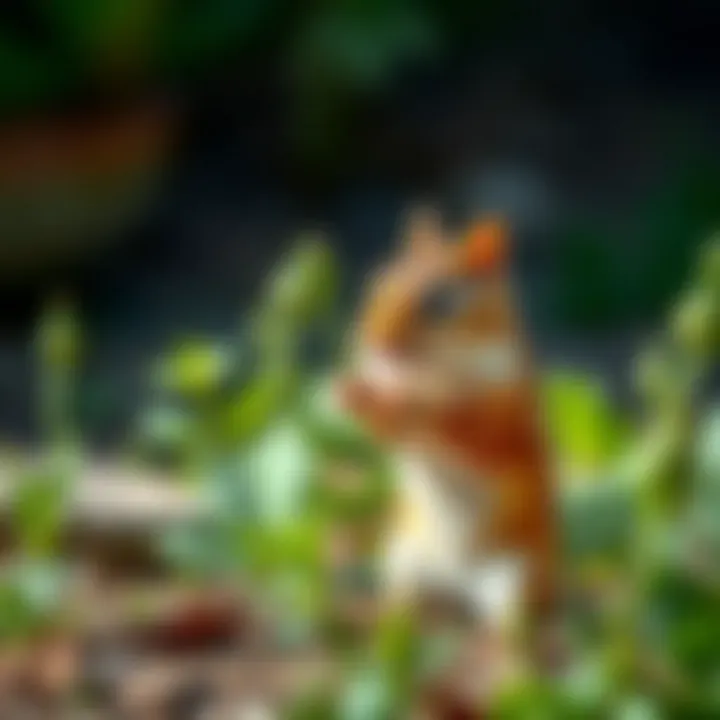
When it comes to our gardens and homes, few things can evoke frustration quite like unwanted visitors. Among these, chipmunks are small but can also be quite the nuisance. These lively little creatures, with their distinctive stripes and twitching noses, often invade gardens, rummaging through flower beds and seed packets. Their playful demeanor can be charming until they start to cause damage and disrupt the peace of your backyard. Understanding how to deter them is crucial not only for protecting your property but also for maintaining a balanced ecosystem. This article digs into effective methods to keep chipmunks at bay and highlights practical steps that can keep your spaces serene.
Understanding Pests
Definition of Pests
Pests can vary widely, but they generally refer to any species that negatively impacts human activities or well-being. Chipmunks fall into this category when they invade gardens, homes, or areas where humans seek to cultivate crops. While they are often considered cute by some, their penchant for digging and hoarding can lead to significant damage or disruption.
Importance of Pest Identification
Identifying pests correctly is the first step in managing them. Chipmunks are notorious for their foraging habits, often creating a mess in their wake. If you see small burrows around your property or noticed their droppings, it's likely you’re dealing with chipmunks. Understanding their behaviors — such as their tendencies to stockpile food and their active times — can lend insight into how to reduce their presence effectively. Knowing what you're up against allows for targeted strategies.
"Nipping it in the bud is far easier than trying to rein in a full-blown invasion."
Prevention Techniques
Home and Garden Preventative Measures
Taking proactive measures is one of the most effective strategies to keep chipmunks away from your property. Here are some practical steps that can be taken:
- Secure Trash and Food Sources: Ensure that trash cans have tight-fitting lids, and any pet food is stored indoors. Chipmunks are naturally curious and will investigate any available food.
- Remove Clutter: Keep your garden tidy. Fallen fruits and clutter can invite chipmunks to set up camp. Regularly remove debris—fallen branches, rocks, or wood piles should be cleaned up.
- Seal Entry Points: Inspect your home for any cracks or openings near windows, doors, or vents. Sealing these can prevent chipmunks from entering.
Seasonal Prevention Tips
As seasons change, so do the behaviors of chipmunks. Recognizing these patterns can help homeowners adjust their preventive strategies accordingly:
- In the spring, when chipmunks emerge from hibernation, use fencing around gardens to deter them from foraging.
- In the summer, consider planting flowers that are less appealing to wildlife or adding a layer of crushed rock around your plants to deter digging.
- As fall approaches, check for any potential food sources by harvesting crops early and storing them properly.
Eco-Friendly Pest Control Solutions
Overview of Sustainable Practices
In a world increasingly focused on sustainability, employing eco-friendly pest control methods has gained popularity. These strategies not only help in keeping chipmunks away but also promote a harmonious living environment.
For instance, using natural barriers such as physical fencing made of galvanized wire can effectively discourage chipmunks without the need for pesticides. Incorporating companion planting is another technique; certain plants like marigolds can repel these little nuisances while beautifying your garden.
Natural Remedies and Their Effectiveness
When it comes to deterrents, several natural remedies can be employed:
- Hot Pepper Spray: Mixing hot pepper flakes in water can make for an effective repellent when sprayed around gardens.
- Essential Oils: Scents like peppermint or citrus can be unappealing to chipmunks when sprayed around their active areas.
- Predator Urine: Hawk or fox urine can be purchased from garden centers. The scent signals danger to chipmunks and encourages them to steer clear.
These natural remedies tend to be less harmful to other wildlife and beneficial insects, making them suitable choices for those keen on maintaining an eco-friendly approach to pest control.
By integrating these strategies into your routine, you can cultivate a yard that's not just beautiful but also chipmunk-free. Always remember that while these methods can be highly effective, sometimes, seeking professional help might be the best way forward, especially for stubborn infestations.
Understanding Chipmunks
Knowing about chipmunks is key to keeping them at bay in your home and garden. These little creatures, though playful and charming, can turn into a real nuisance when they decide to set up camp in your yard or worse, your attic. By comprehending their behavior and ecology, you stand a better chance of deterring them effectively.
Biology and Behavior
Chipmunks belong to the squirrel family and are small, striped rodents commonly found in North America. Their size typically ranges from 8 to 10 inches long, and yet, what may seem petite is often full of mischief. Heavily active during the day, chipmunks spend a considerable time foraging for food. They are known for their cheek pouches, which allow them to store food for later consumption. This behavior underscores their role as hoarders, which can lead them to dig holes and bury seeds and nuts, sometimes undermining the foundations of your garden.
Their territorial instincts kick in during mating season, where male chipmunks can become particularly aggressive, leading to increased visibility and activity around your property. Understanding their reproductive cycles, which peak in spring, offers insight into when they're most likely to invade your space searching for nesting sites.
Habitat Preferences
Chipmunks favor habitats that provide both cover and food. They thrive in wooded areas, gardens, and suburban neighborhoods. If your yard offers shrubs, mulch, or even bird feeders, it might just be sending out an invitation. They often establish their homes in burrows underground, which allows them to escape predators and harsh weather conditions. The burrows can be extensive, connecting different tunnels and chambers for sleeping, nesting, and food storage.
In essence, if you want to deter them, it’s crucial to remember that the more inviting your property appears, the more inclined they’ll be to stake a claim. Their nesting habits transform your yard into their own personal buffet, so being aware of their preferences helps in understanding just how important it is to manage your outdoor space. Being proactive can save you from a heap of trouble down the line.
Signs of Chipmunk Infestation
Identifying signs of a chipmunk infestation is crucial for homeowners who want to protect their property. Chipmunks may seem cute and harmless, but these tiny rodents can wreak havoc in gardens, yards, and even inside homes. Recognizing the signs early helps mitigate potential damage and keeps your living space in harmony with nature.
Identifying Damage
When chipmunks invade, they leave behind a trail of evidence that often goes unnoticed until it's too late. Signs of damage can take various forms:
- Gnaw Marks: Chipmunks have sharp teeth and they often gnaw on wood, wires, and other materials. Look for light-colored, fresh chewing marks on garden furniture or window sills.
- Digging: If you find holes in your flower beds or near foundation walls, those might be the work of a chipmunk. Their burrowing can disturb plant roots and destabilize soil.
- Droppings: Small, pellet-like droppings are often scattered around food sources or nesting sites. Estimating their presence helps gauge the severity of an infestation.
"Detecting the initial signs of an infestation can save you from bigger headaches down the road. Don't let chipmunks turn your garden paradise into a battleground."
Observing their Behaviour
Understanding chipmunk behavior is another piece of the puzzle in recognizing an infestation. Watching these critters can provide useful insights into their habits:
- Feeding Patterns: Chipmunks tend to forage for food during the early hours of morning or late evening. If you notice them scurrying around during these times, it indicates their presence nearby.
- Territory Marking: Chipmunks are quite vocal and territorial. They often emit chirps, especially when they sense danger. If you hear these calls frequently, it's a sign they have nested close to your area.
- Movement Habits: Spotting them darting between bushes or squeezing through cracks in walls can confirm they’re making themselves at home. They prefer to stay low in shrubs or among debris, so a reputable observation is essential.
By keeping an eye out for these signs of chipmunk activity, you can take proactive steps to mitigate their impact on your property. By observing their behavior patterns, you can strategically implement effective pest management strategies.
Preventive Measures
Keeping chipmunks at bay requires a proactive approach, and that’s where preventive measures come into play. Rather than waiting for these furry little critters to invade your space, it's far more effective to create an environment that discourages their presence from the get-go. The importance of preventive measures cannot be overstated; they not only help protect your garden and home but also contribute to a more harmonious coexistence with nature.
By making simple, thoughtful modifications to your landscape and using barriers wisely, you can increase your chances of keeping chipmunks away.
Habitat Modification
Landscaping Techniques
When it comes to landscaping techniques, you’ll want to consider how your yard might be attractive to chipmunks. For instance, dense shrubs and overgrown plants provide ideal shelter for these animals. By pruning back excess vegetation and opting for more open, structured arrangements, you send a clear message that your place isn’t a welcoming home for chipmunks.
One popular choice here is the use of native plants that are less appealing to chipmunks due to their taste preferences. For example, planting lavender or marigolds adds beauty to your garden while also repelling intruders. Moreover, keeping your garden tidy serves a dual purpose: it looks good and disrupts the hiding spots that chipmunks prefer. Consider this approach as a long-term investment in pest management. A downside to this method may be the initial effort required to reshape your landscape. However, once established, a well-planned garden requires little upkeep.
Removing Food Sources
Another critical aspect of preventing chipmunks from making themselves at home is addressing food sources. Chipmunks are opportunistic feeders, drawn to bird feeders, pet food left outside, or even fallen fruits and nuts on the ground. By eliminating these food sources, you greatly reduce the chances of attracting chipmunks to your property.
For instance, you might want to use squirrel-proof bird feeders which restrict access to these animals while still allowing birds to feast safely. Additionally, storing pet food in airtight containers and promptly cleaning up fallen fruits creates a less inviting environment that chipmunks would rather avoid. While removing food sources can require constant attention, it’s a straightforward approach that, when consistently applied, can significantly lower your chances of encountering chipmunks.
Use of Barriers
Fencing Solutions
Fencings can be an effective physical barrier against chipmunks. The key characteristic of fencing solutions is their ability to create a controlled environment while allowing you to enjoy your garden. A fence needs to be at least three feet high and buried about a foot underground to prevent tunnel digging. This specific setup can deter most chipmunks from entering your property.
Many folks opt for wire mesh fencing for added security, as it’s strong enough to withstand the chewing of these persistent rodents. The strength of this method lies in its durability and simplicity. However, installing a fence can require some up-front investment and labor, but the peace of mind it brings might just be worth the effort.
Applying Hardware Cloth
For those looking for another effective barrier technique, applying hardware cloth is a smart choice. This heavy-duty mesh can be used to cover areas such as the bases of trees, garden beds, or even vent openings in your home. Its robustness makes it a popular option that physically blocks chipmunks from gaining access.
The unique feature of hardware cloth lies in its fine mesh, which keeps out even smaller rodents while allowing air and moisture to permeate the soil. This dual function makes it a wise investment for long-term pest control. However, bear in mind that installing hardware cloth requires some DIY skills, and if not correctly anchored, it could still be compromised.
"Preventive measures are your first line of defense. Solving problems before they start is more effective than dealing with mistakes after they happen."
By employing these preventive measures, you can create an environment that effectively deters chipmunks and minimizes the risk of infestations. Remember, the goal is to take proactive steps that harmonize with your home's ecosystem.
Natural Deterrents
Natural deterrents play a vital role in keeping chipmunks at bay, helping homeowners achieve a peaceful coexistence with local wildlife without resorting to harmful chemicals or traps. These methods not only harness the power of nature but also resonate with the values of sustainability and ecological balance. By understanding and utilizing specific plants and essential oils, individuals can create an environment that discourages chipmunks from venturing too close.
Plants that Repel Chipmunks
One of the most effective ways to nip a chipmunk invasion in the bud is to choose plants wisely. Some flora emit strong scents or contain compounds that are unappealing to these furry critters.
Here’s a list of plants that chipmunks tend to avoid:
- Lavender: Known for its calming aroma for humans, this herb's strong scent is a deterrent to small rodents.
- Mint: Both peppermint and spearmint can make chipmunks think twice before approaching.
- Garlic: Planting garlic or using garlic powder near your garden may keep chipmunks from nibbling.
- Daffodils: These flowers are toxic to chipmunks, making them a natural repelling agent in gardens.
Incorporating these plants into your landscape not only beautifies your space but also creates an environment that discourages chipmunks. You can plant them around the perimeter of your garden or even intersperse them within your flower beds.
"Using natural deterrents allows you to embrace the beauty of your garden while keeping unwanted visitors away."
It's important to note that while these plants can be effective, they require proper care and maintenance. Deadheading, watering, and ensuring they thrive can amplify their repelling properties. Also, remember that planting a diverse array can confuse chipmunks, who may not favor all of your flora.
Essential Oils and Their Efficacy
Essential oils offer another layer of defense against chipmunks, predominantly due to their concentrated scent. Many of these oils not only are pleasing to humans but can repel rodents with their powerful aromas. Here are some noteworthy oils:
- Cinnamon Oil: This aromatic oil not only smells wonderful but also serves as a strong deterrent for many rodents, including chipmunks.
- Peppermint Oil: Known for its invigorating scent, it’s notorious for repelling a variety of pests. Just a few drops in strategic spots can create an unfavorable environment for these creatures.
- Clove Oil: This oil has a pungent aroma that repels chipmunks effectively.
In application, these oils can be diluted with water and sprayed in areas frequented by chipmunks. Remember to refresh the applications regularly; rain and wear can diminish their efficacy. Furthermore, using these oils in combination with the plants mentioned above can create a more potent barrier against unwanted visitors.
It is also wise to keep in mind that while essential oils are natural, they can still have strong reactions for those with sensitivities. Always test in small amounts before widespread application.
Through the strategic use of plants and essential oils, homeowners can cultivate a protective buffer against the encroaching chipmunks, promoting a harmonious and nurturing environment.
Chemical Repellents
Chemical repellents play a pivotal role in managing chipmunk intrusion. They offer a supportive avenue alongside other methods to keep these small mammals at bay. Understanding the nuances of chemical repellents can empower homeowners to navigate this pest control landscape effectively. These substances can deter chipmunks through unpleasant scents or tastes that repel them while leaving the environment largely unharmed. It’s crucial to weigh the advantages and possible drawbacks before diving into use.
Using chemical repellents has several benefits:
- Effective Deterrent: When utilized properly, they can prevent chipmunks from entering gardens and homes.
- Targeted Usage: Certain formulations can be applied to specific areas, minimizing exposure to non-target wildlife and pets.
- Ease of Application: Many repellents come in ready-to-use forms or easy application methods, which are friendly for the average homeowner.
Types of Repellents Available
There is a wide array of chemical repellents available in the market. Understanding these different types is key for effective chipmunk management. Here’s a look at some popular options:
- Granular Repellents: These are sprinkled around areas you wish to protect. Made from natural or synthetic components, they create a barrier chipmunks prefer to avoid.
- Liquid Sprays: Often containing ingredients like capsaicin, these repellents need to be reapplied after rain or watering. They create a strong odor and taste that unpleasant for chipmunks.
- Aerosol Sprays: These can be easily directed to specific spots. They usually offer a quick solution for immediate application in problem areas.
- Plant-Based Repellents: Derived from certain plants that naturally repel pests, these formulations provide an eco-friendly option that aligns with a sustainable lifestyle. Examples are sprays containing garlic or citrus oils.
While selecting, it's essential to read the labels carefully to ensure suitability for your needs.
Safe Application Techniques
When it comes to applying chemical repellents, safety should always be a prime concern. Here are some techniques to consider:
- Read the Instructions: Always start by thoroughly reading the manufacturer’s instructions. Different products may have varied application methods, and following guidelines minimizes risks.
- Wear Protective Gear: Even if a repellent is marketed as safe, it’s wise to wear gloves and perhaps a mask when applying to avoid any potential adverse reactions.
- Focus on Target Areas: Direct application at the base of plants or along pathways visited frequently by chipmunks is most efficient. Aim for specific locations instead of broadly applying to the entire yard.
- Timing Matters: Apply during dry weather for better absorption and ensure that children and pets are kept away until the product has dried.
- Monitor After Application: Keep an eye on the areas post-application to gauge the effectiveness and make adjustments if needed.
"Using the right strategy can turn a pest nightmare into a peaceful haven."
Homeowners should always remember that chemical repellents should be part of a larger, integrated approach, joined hand-in-hand with other prevention strategies. This holistic method of pest control not only protects your home but is also cognizant of the surrounding ecosystem. Keeping things balanced ensures the wildlife in your area, including chipmunks, can thrive without causing havoc at the same time.
Trapping Chipmunks
When dealing with chipmunks, trapping can be one of the most effective strategies to manage these pesky critters. The importance of trapping lies in its potential to remove chipmunks safely and humanely, addressing the underlying problem without resorting to harmful chemicals or methods that could have a negative impact on the environment. Moreover, understanding how to effectively trap these animals can help prevent re-infestation in your garden or home.
Choosing the Right Trap
Selecting the appropriate trap is crucial for ensuring that you capture chipmunks efficiently. Here are some pointers to guide your decision-making:
- Live Traps: Consider using a live trap designed specifically for small animals. These traps allow the chipmunks to enter but not escape, giving you the chance to relocate them humanely. Some reputable brands include Havahart and Tomahawk, both of which are known for quality and effectiveness.
- Snap Traps: For those who prefer a different approach, traditional snap traps can also be used. Care should be taken while handling these.
- Placement: Position the traps in areas where chipmunks are frequently spotted, like near their burrows or along pathways. Ideally, you want to place them close to food sources to increase the chance of a successful catch.
- Bait: A tempting bait can also make a difference. Peanut butter, sunflower seeds, or fresh fruit often work wonders. Ensure to replace the bait regularly to keep it fresh.
"Patience and persistence are key - finish capturing them with the right setup and placement!"


Ethical Considerations
While trapping can be effective, it raises important ethical questions for many homeowners. Here are the considerations worth pondering:
- Humane Treatment: The primary concern is to ensure that trapped chipmunks are treated humanely. If using live traps, it’s essential to check them frequently, ideally every few hours, to minimize stress for the animal.
- Relocation: When relocating, make sure to find a suitable environment far enough from your home, as chipmunks can travel back if released too close. A wooded area, away from residential spaces, often suits them best.
- Legal Regulations: Check local laws regarding trapping and relocation of wildlife as some jurisdictions may have specific regulations in place. This minimizes any legal complications involved in the process.
- Non-Lethal Options: Trapping should ideally be viewed as a last resort. It’s beneficial to employ methods that deter chipmunks before considering traps. Remember that preventative measures are usually more effective in the long run.
When to Seek Professional Help
When it comes to managing chipmunks, many homeowners begin with a do-it-yourself approach. This usually involves a combination of preventive measures, natural deterrents, and even trapping. However, there comes a point for some where DIY methods can only go so far. Recognizing when to bring in the professionals is crucial, especially if the problem escalates beyond manageable levels.
Ignoring the limits of your skills or the severity of the infestation can lead to bigger headaches down the road. Professional pest control specialists have the experience, tools, and techniques that can effectively address chipmunk issues that appear insurmountable for the average homeowner. When you realize you’re battling these critters relentlessly, it might be high time to say, "Uncle!" and seek the appropriate help.
Recognizing the Limits of DIY Methods
DIY methods like setting traps or using natural repellents are often the first line of defense against unwelcome chipmunks. However, it's vital to understand their limitations:
- Scale of Infestation: If you notice a significant increase in chipmunk activity, it's a sign that your traditional traps and deterrents aren’t cutting it. One or two chipmunks may be manageable, but dozens or more could indicate you’re in over your head.
- Safety Risks: Handling traps can be dangerous for inexperienced hands. There's a risk not only to your safety but also to pet safety and even legal implications if traps are misused outdoors.
- Time Consumption: Setting additional traps and attempting various methods can consume hours and days. If you find yourself more anxious than effective, perhaps it’s time to enlist some professional help.
Finding Pest Control Experts
Should you reach the conclusion that professional help is needed, finding the right pest control expert is essential. Here are steps and considerations to keep in mind:
- Research Options: Look for local pest control services with good reviews. Websites like Yelp or Angie's List can provide firsthand accounts from other homeowners about their experiences.
- Ask for Credentials: Ensure they are licensed and insured. This speaks volumes about their professionalism and commitment to quality service.
- Get Estimates: Don’t hesitate to request quotes from multiple companies. This helps ensure you are not overpaying for the service you need.
- Inquire About Methods: Not all pest control experts use the same techniques. Ask about their methods to ensure they align with your values—particularly if you prefer eco-friendly options.
- Follow Up: After the job is completed, a reputable pest control service will often check in to review the outcome and gauge your satisfaction.
With these details in mind, know that seeking professional help doesn’t signal defeat; rather, it demonstrates a wise and informed approach to ensuring your home remains chipmunk-free.
Long-Term Strategies
Long-term strategies are essential when taking on the challenge of chipmunk management around your property. These approaches not only help in preventing future infestations but also create a sustainable habitat that minimizes the factors attracting these critters in the first place. It's about establishing a holistic ecosystem that favors your preferences while keeping unwelcome guests at bay. By integrating a mix of regular monitoring, community involvement, and maintenance practices, homeowners can achieve significant results in the battle against chipmunks.
Regular Monitoring
Regular monitoring is the backbone of any effective long-term strategy. Keeping an eye on your surroundings allows you to notice changes in chipmunk activity or new signs of damage promptly. Think of it as giving your garden and yard a quick checkup every now and then. Simple actions like walking around your property a couple of times a week can yield insights. Look for:
- New burrows: These little tunnels could mean your yard is becoming a chipmunk hotspot.
- Nibbling marks: Fresh chewing marks on your plants can tip you off that the furry folks are back.
- Droppings: Spotting these can help in estimating their population.
If you catch potential problems early, you can address them before they balloon into full-blown infestations. Implementing a log to record your observations can also be a handy way to track patterns over time. Are chipmunks showing up more frequently in the spring, or do they seem to love certain plants? Noting down these behaviors can help formulate more targeted preventative actions in the future.
Community Awareness and Collaboration
You know what they say: "It takes a village!" This rings especially true for managing chipmunk populations effectively. Engaging with your neighbors creates a collective effort that enhances the chances of success. If everyone on the block is aware of the issue, it becomes more manageable. Here’s how you can go about it:
- Start a neighborhood watch for wildlife: Regular discussions about pest issues can keep everyone informed and motivated.
- Share best practices: Exchange tips on effective deterrents and monitoring techniques. One neighbor might have found success with a particular plant that repels chipmunks, while another has good luck with a specific type of fencing.
- Community clean-ups: Organizing a group effort to tidy up shared spaces can drastically reduce food sources that attract chipmunks.
Establishing a community forum or group chat can be simple but invaluable in this process. Not only does it make sharing information easier, but it also fosters a sense of teamwork and local stewardship. When your whole neighborhood keeps their eyes peeled, it creates a broad barrier that makes life tough for our chipmunk friends.
Involving the community in proactive measures can amplify the effectiveness of your individual efforts, making it a win-win situation.
By adopting these long-term strategies, you'll not only be more prepared to manage chipmunks but also nurture a healthier, more resilient yard that benefits both you and the local ecosystem.
Culmination
The conclusion encapsulates the essence of the strategies discussed throughout the article, tying together the methods to deter chipmunks and the benefits of persistently applying these techniques. Understanding these critters— their habits and habitat preferences— lays the groundwork for a successful and sustainable approach.
By putting the suggested preventive measures into practice, homeowners can foster environments that are less inviting to chipmunks. The techniques range from habitat modification, like adjusting landscaping and removing food sources, to using barriers and natural deterrents. Knowing when to seek professional assistance can also be crucial for those struggling with chipmunk invasions.
Summarizing Effective Techniques
Effective techniques to keep chipmunks away involve a blend of proactive and reactive measures. These can include:
- Habitat modification: Altering your garden or yard to make it less conducive to chipmunk habitation is pivotal. This can be achieved through proper landscaping, such as trimming back overgrown shrubs where chipmunks might nest and ensuring food sources—like bird feeders—are not easily accessible.
- Use of natural deterrents: Certain plants, such as marigolds or mint, naturally repel chipmunks. Using essential oils, like peppermint, in strategic areas can provide an extra offensive against these sneaky rodents.
- Installing barriers: Using fencing solutions specifically designed to block entry can discourage chipmunks from foraging too close to homes. This may include digging down a foot or more to prevent burrowing.
- Safe application of repellents: Chemical repellents, when used wisely, can serve as an interim solution, especially for persistent infestations. Choosing eco-friendlier options also supports a more sustainable living approach.
Evaluating these methods' effectiveness requires regular monitoring. Observing patterns in chipmunk activity can help homeowners refine their strategies to what works best in their unique contexts.
Encouragement for Sustainable Practices
Emphasizing sustainable practices in keeping chipmunks at bay should be a priority for environmentally conscious homeowners. Using eco-friendly deterrents and managing habitats without chemicals not only helps chipmunks but also fosters a healthier ecosystem.
From choosing native plants to creating barriers using natural materials, small changes can make a big difference. Involving community efforts—like neighborhood clean-ups to reduce potential food sources—is a commendable way to foster awareness and cooperation among neighbors to tackle chipmunk issues collectively.